
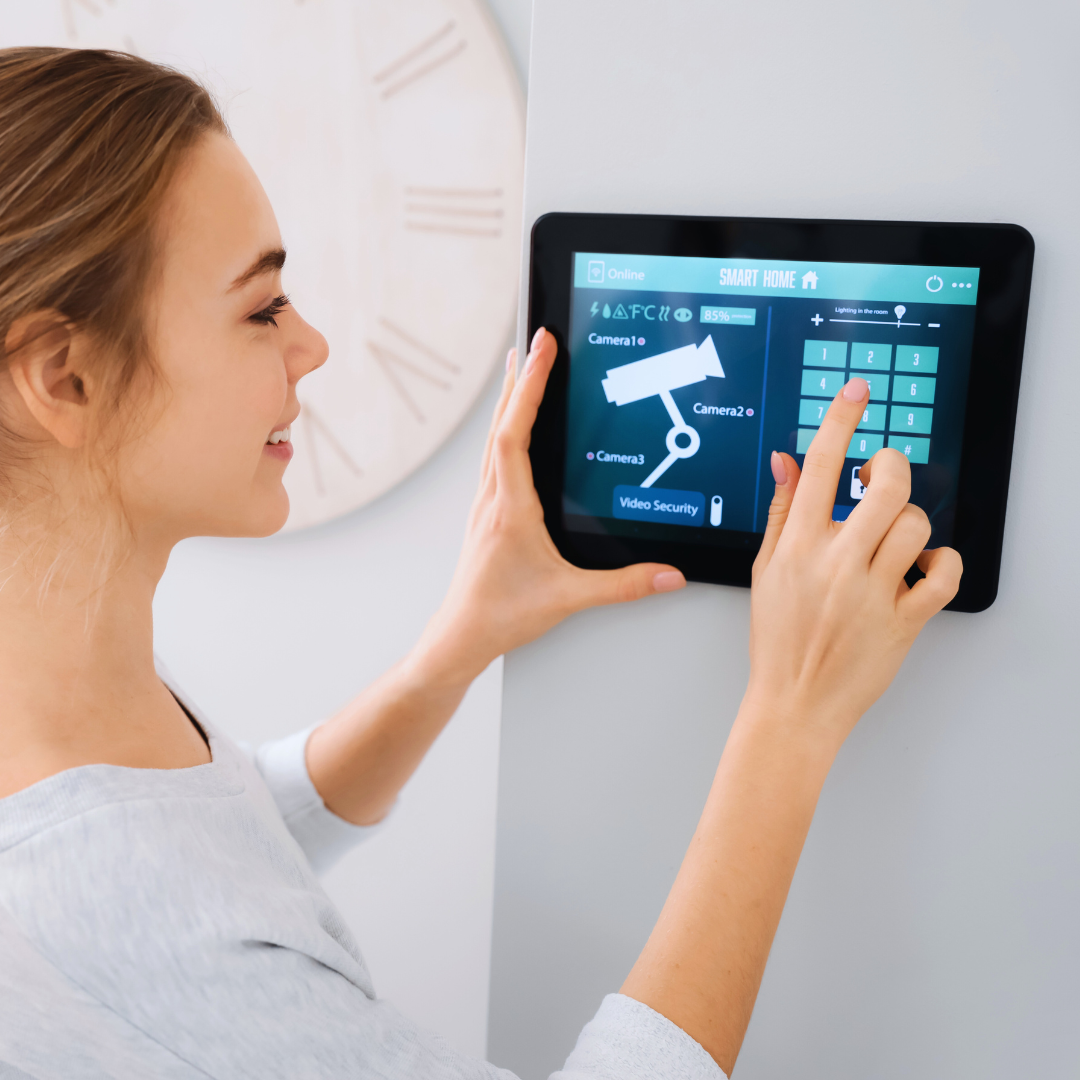
Home security is evolving rapidly with the integration of technology, offering both advantages and challenges for homeowners. Many seek to enhance their safety through smart cameras, alarms, and other automation. This reliance on technology can provide real-time monitoring and immediate alerts, but it also brings potential vulnerabilities that require careful consideration.
Advancements in home security technology offer convenience and peace of mind, allowing individuals to monitor their properties from anywhere. Smart devices often come with features that can deter crime effectively. Yet, dependence on these systems can expose limits, such as technical failures or hacking threats, which may compromise safety.
As homeowners weigh the pros and cons, it becomes crucial to assess both the benefits of modern security solutions and the risks involved. The decision to rely on technology should be informed by a thorough understanding of these factors to ensure an optimal balance between safety and vulnerability.
Core Benefits of Technology in Home Security
Technology significantly enhances home security through intelligent crime deterrence, seamless remote monitoring, and the convenience of automation. These benefits provide homeowners with greater control and peace of mind regarding their safety.
Crime Deterrence and Peace of Mind
A smart home security system is effective in deterring crime. Visible security cameras and smart lights create an impression of vigilance, which can discourage potential intruders.
Many systems also offer features like alarms and sirens that activate upon detecting unauthorized access.
This immediate response capability not only protects property but also provides homeowners with peace of mind. Knowing that their homes are monitored can reduce anxiety for residents, contributing to a feeling of safety.
Remote Monitoring and Real-Time Alerts
Remote monitoring enables homeowners to check in on their properties from anywhere via smartphones or other connected devices.
Users can access live feeds from security cameras and receive notifications if suspicious activity is detected. Many systems also offer features like two-way communication, allowing users to interact with visitors even when they are not home.
Real-time alerts ensure that homeowners can act quickly if a security breach occurs, further enhancing the protective benefit of technology in home security.
Enhanced Automation and Convenience
Automation in smart home security systems allows for a streamlined approach to safety. Homeowners can schedule security measures, such as locking doors or turning on lights, based on their routines.
Integrating other smart devices, like thermostats or locks, can create a cohesive security experience. For instance, when a user leaves home, all connected devices can activate simultaneously.
This level of convenience simplifies managing home security, making it more user-friendly and effective for everyday protection.
Potential Drawbacks of Relying on Technology for Home Security
While technology can enhance home security, it also presents certain risks that homeowners must consider. These risks include potential vulnerabilities to cyber threats, issues with system reliability, and dependence on a stable internet connection.
Cybersecurity Threats and Data Privacy
Home security systems are increasingly connected to the internet, making them susceptible to cyberattacks. Hackers may exploit vulnerabilities to gain unauthorized access, potentially compromising personal data and even live feeds from cameras.
Sensitive information can be stored in cloud services, which raises concerns about data privacy. If a security provider suffers a data breach, personal and financial details may be exposed.
Homeowners must ensure robust passwords and regular software updates to mitigate these threats. Using two-factor authentication adds an additional layer of security, but these measures can be easily overlooked.
False Alarms and System Reliability
False alarms are a common issue with home security systems. Issues such as low battery levels, sensor malfunctions, or environmental factors can trigger alerts. These false alarms not only cause unnecessary stress but may also lead to fines from local authorities.
Reliability is crucial for effective security. Systems that frequently fail or malfunction diminish homeowner confidence. Regular maintenance and timely updates are essential to maximize system performance, yet they can be overlooked or ignored.
Homeowners should consider investing in systems known for their reliability to mitigate these concerns. Selecting reputable brands with proven track records can help minimize the incidence of false alarms.
Dependence on Internet Connection
A significant drawback of technology-based home security systems is their reliance on a stable internet connection. If the internet goes down, so does access to security features. This can leave homes vulnerable during outages or due to inclement weather.
In areas with unreliable internet, homeowners may face persistent issues with their security systems. Backup plans, such as cellular-enabled systems, can provide a solution but may incur additional costs.
It’s essential for homeowners to understand the implications of internet dependence before selecting a security system. Evaluating the quality of their internet service can help ensure that systems function as intended.
Smart Home Integration and Home Automation Impact
Smart home integration and home automation significantly influence how individuals manage home security and energy efficiency. Understanding compatibility issues and the potential for cost savings can help homeowners make informed choices.
Compatibility and Ecosystem Challenges
The compatibility of various smart home systems remains a primary concern. Many devices operate within specific ecosystems, such as Amazon Alexa, Google Home, or Apple HomeKit. Homeowners may encounter difficulties when attempting to connect devices from different manufacturers. For example, a smart lock might work seamlessly with one smart hub but not with another.
Incompatibilities can limit functionality. If devices cannot communicate effectively, it may hinder features such as remote monitoring or integration with a smart thermostat. Homeowners should carefully research products to ensure they will function together properly.
Energy Efficiency and Cost Savings
Home automation offers opportunities for energy savings, particularly with smart thermostats. These devices can optimize heating and cooling based on patterns in usage. By adjusting temperatures automatically, homeowners can reduce their energy consumption.
Moreover, integrating smart security systems can lead to further savings. For instance, motion sensors can activate outdoor lights only when necessary, reducing electricity costs. Homeowners may notice a reduction in their utility bills over time, contributing to a more sustainable living environment.
Smart home technologies can enhance both security and efficiency, providing value to those who implement them effectively.
Key Devices and Features of Technology-Based Home Security
Technology-based home security systems offer a variety of devices and features designed to enhance safety and convenience. Key components include video doorbells, motion detectors, smart smoke detectors, and safety sensors.
Video Doorbells and Motion Detectors
Video doorbells, such as those from Ring, enable homeowners to see and communicate with visitors remotely. These devices feature high-definition cameras and two-way audio, allowing for real-time interaction. They often notify users via smartphone alerts, enhancing security by monitoring entry points.
Motion detectors complement video doorbells by detecting movement in designated areas. They can trigger alarms or send alerts when unexpected motion occurs. These devices can be integrated with smart home systems to control lighting and cameras, creating a comprehensive security solution.
Smart Smoke Detectors and Safety Sensors
Smart smoke detectors offer more than traditional smoke detection. They can send alerts to smartphones, providing immediate notification if smoke or fire is detected. Features may include automatic self-testing and battery status alerts, ensuring operational reliability.
Safety sensors, such as carbon monoxide detectors, enhance home safety by monitoring harmful gas levels. Many of these devices are connected to a smart home network, allowing for centralized control and monitoring. By integrating these detectors, homeowners can ensure a multi-layered approach to safety that extends beyond traditional methods.