
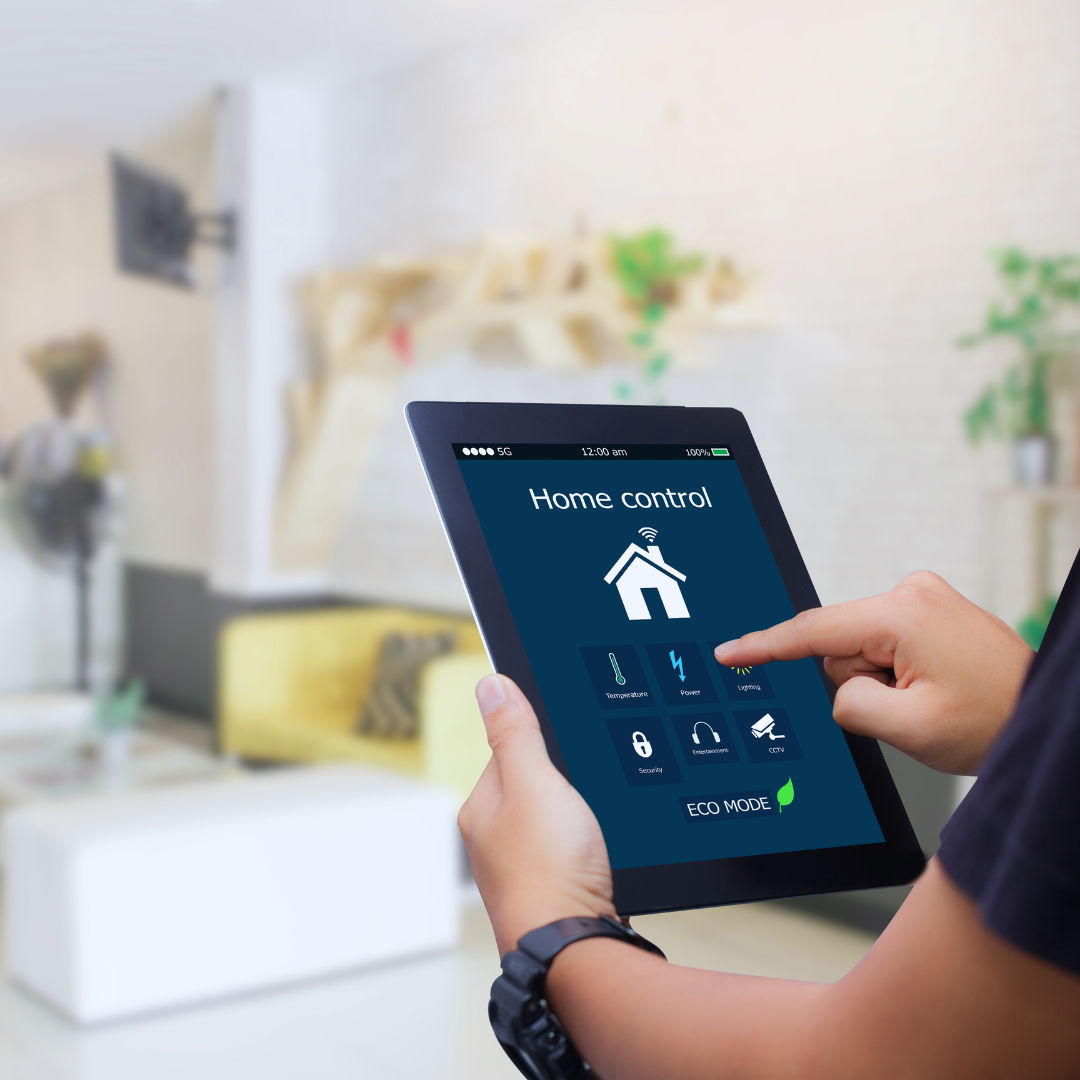
The demand for energy efficiency continues to rise as more homeowners seek sustainable living solutions. With advancements in technology, smart home gadgets have emerged as essential tools for reducing energy consumption. Investing in smart home devices not only lowers utility bills but also contributes to a healthier planet.
Smart thermostats, energy monitors, and smart lighting systems are just a few examples of gadgets that can transform a home into an energy-efficient haven. These devices utilize cutting-edge technology to optimize energy use, adjust settings based on habits, and provide detailed reports on consumption. As homeowners become more informed about their energy usage, these gadgets offer a practical approach to making significant reductions.
Embracing smart home technology is not just a trend; it is a crucial step toward a more eco-friendly lifestyle. By incorporating these energy-efficient gadgets, individuals can enjoy both comfort and savings while playing a part in preserving environmental resources.
Essential Smart Home Gadgets for Maximum Energy Efficiency
Smart home technology plays a crucial role in enhancing energy efficiency in households. By incorporating specific devices, users can significantly reduce energy consumption while maintaining comfort.
Smart Thermostats and Climate Control
Smart thermostats enable users to manage heating and cooling more efficiently. They can learn a household’s schedule and adjust temperatures accordingly, minimizing unnecessary energy use.
Many smart thermostats come with energy-saving features like eco-modes. These settings optimize temperature adjustments based on real-time occupancy and outside temperature.
Key benefits include:
- Automated Scheduling: Adjust settings without manual input.
- Remote Access: Control from anywhere through an app.
- Energy Reports: Provide insights into energy usage patterns.
These features help save electricity while enhancing the comfort of the home.
Smart Plugs and Power Strips
Smart plugs and power strips are effective tools for managing standby power consumption. When devices are idle, they can still draw energy. Smart plugs can cut off power when items are not in use.
These devices are often equipped with energy-saving modes that allow users to schedule when devices turn on or off. This reduces overall energy usage.
Key aspects include:
- Remote Control: Manage devices via a smartphone app.
- Monitoring: Track energy consumption of connected devices.
- Multiple Outlets: Smart power strips can manage several devices simultaneously.
These functions can lead to significant energy savings over time.
Smart Lighting: LED Bulbs and Automation
Smart lighting employs energy-efficient LED bulbs combined with automation. LED bulbs consume up to 75% less energy than traditional incandescent bulbs.
Smart lighting systems can be programmed to adjust automatically based on daylight or occupancy. This ensures lights are only on when needed, further enhancing energy efficiency.
Benefits include:
- Dimmer Functions: Adjust brightness levels to match needs.
- Remote Control: Activate or deactivate lighting using an app.
- Colored Options: Personalize ambience while saving energy.
Incorporating these lighting solutions can lead to lower electricity bills and reduced environmental impact.
Innovative Gadgets for Sustainable Living and Water Conservation
Incorporating innovative gadgets into daily life can greatly enhance sustainable living and promote water conservation. By utilizing technology for energy efficiency, households can reduce their environmental impact while enjoying greater convenience.
Solar Panels and Clean Energy Solutions
Solar panels are essential for harnessing renewable energy. They capture sunlight and convert it into electricity, significantly lowering reliance on fossil fuels.
The benefits include:
- Cost savings on energy bills.
- Increased property value due to energy-efficient upgrades.
Modern solar solutions often come with smart monitoring systems. These provide real-time data on energy production and consumption, allowing users to optimize usage and identify inefficiencies.
Smart Sprinklers and Efficient Water Use
Smart sprinklers automatically adjust watering schedules based on weather conditions. They utilize sensors and local weather data to allocate the right amount of water, helping to prevent overwatering.
Key features include:
- Soil moisture sensors that monitor ground conditions.
- Mobile apps for remote control and scheduling.
These systems not only conserve water but also promote healthier landscapes by providing plants with the optimal amount of hydration.
Smart Appliances and Energy Monitoring
Smart appliances are designed to use energy more efficiently. Devices like smart refrigerators, washers, and dryers can be programmed to operate during off-peak hours, reducing energy consumption.
Energy monitoring systems track usage patterns, offering insights into high-consumption appliances. This information enables homeowners to make informed decisions about upgrades or usage adjustments.
Some key benefits of smart appliances are:
- Lower energy costs through better efficiency.
- Integration with smart home systems for seamless management.
Integrating Smart Home Systems and Automation
Integrating smart home systems and automation enhances energy efficiency by coordinating various devices and optimizing usage. This approach allows homeowners to leverage technology for better control over their energy consumption.
Voice Assistants and Central Control
Voice assistants like Amazon Alexa and Google Assistant serve as central control hubs for smart home systems. They enable users to manage multiple devices through simple voice commands, reducing the need for manual adjustments.
These assistants can operate smart thermostats, lights, and appliances, creating a seamless experience. For instance, setting routines allows lights to turn off when the home is unoccupied.
Centralized control also means that energy usage can be monitored in real time. Homeowners can adjust settings or receive alerts about energy consumption, promoting more mindful usage.
Smart Sensors for Intelligent Energy Use
Smart sensors play a critical role in optimizing energy consumption. These devices monitor factors such as temperature, humidity, and occupancy.
For example, occupancy sensors can detect when a room is empty and automatically turn off lights or adjust heating. This capability prevents energy waste in unoccupied spaces.
Temperature sensors help maintain ideal conditions by communicating with smart thermostats. These thermostats learn user preferences over time, adjusting settings to maximize comfort and reduce energy costs.
Incorporating smart sensors into a home automation system can lead to significant savings and a more energy-efficient living environment.